
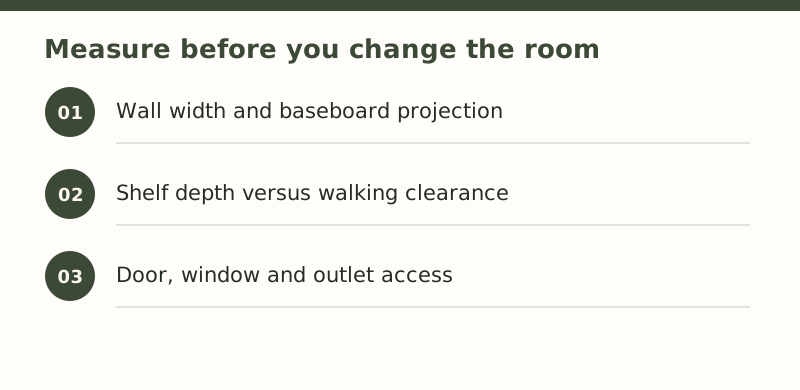
Measurements to take
- Wall width and baseboard projection
- Shelf depth versus walking clearance
- Door, window and outlet access
This guide contains no affiliate links or sponsored product recommendations.
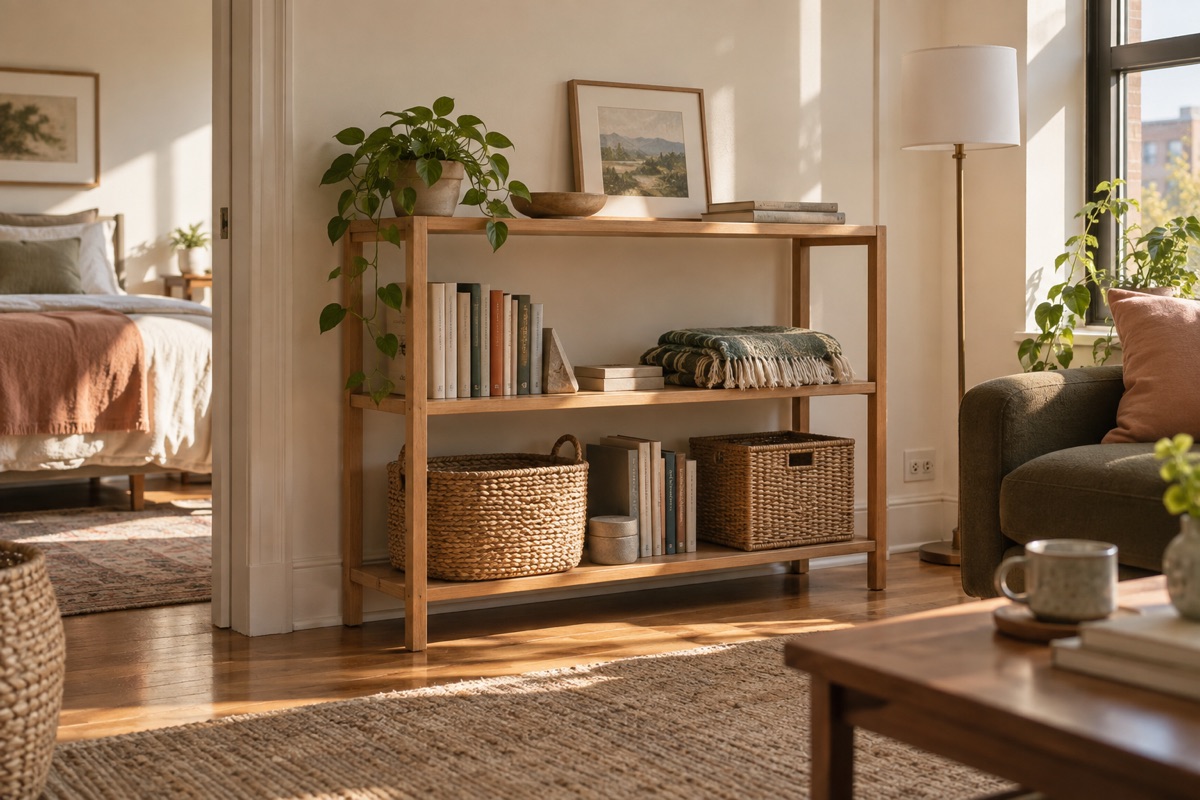
Pick a job for the shelf
A shelf is useful when it collects things that belong near one activity. Decide whether this one will hold reading material, everyday linens or shared living-room tools. Mixing several unrelated categories makes a small unit feel full before it becomes helpful.
Measure the footprint twice
Tape the proposed width and depth on the floor. Walk past it carrying a laundry basket and open nearby doors. Account for baseboards, sockets and the space needed to lift a basket off a shelf. A narrow footprint is not helpful if every basket has to be turned sideways.
Load for stability and access
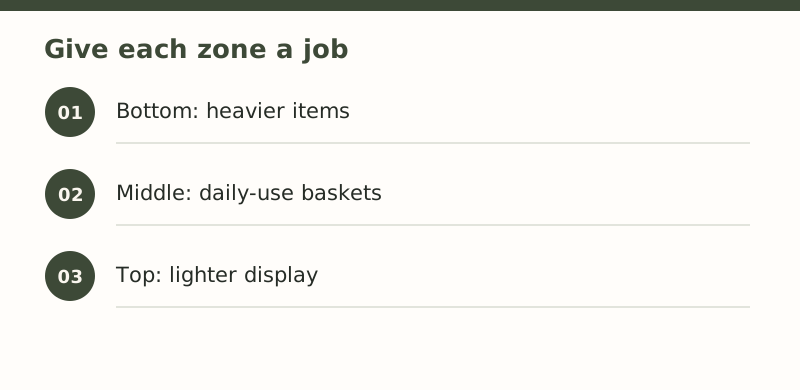
Place heavier books and dense objects low. Give frequently used baskets a middle shelf that can be reached without moving display items. Leave some open space so each category remains visible. Follow the manufacturer's load limits and anchoring instructions; freestanding does not mean tip-proof, especially around children or pets.
Make it ready to move
Choose containers that can be lifted out and packed as units. Photograph or note the category layout, then keep small spare parts together if the shelf can be disassembled. A piece that fits the next home more easily has value beyond this room.
Before you call it done
- Tape out the footprint
- Open nearby doors and check reach
- Put heavy objects low
- Follow anti-tip guidance